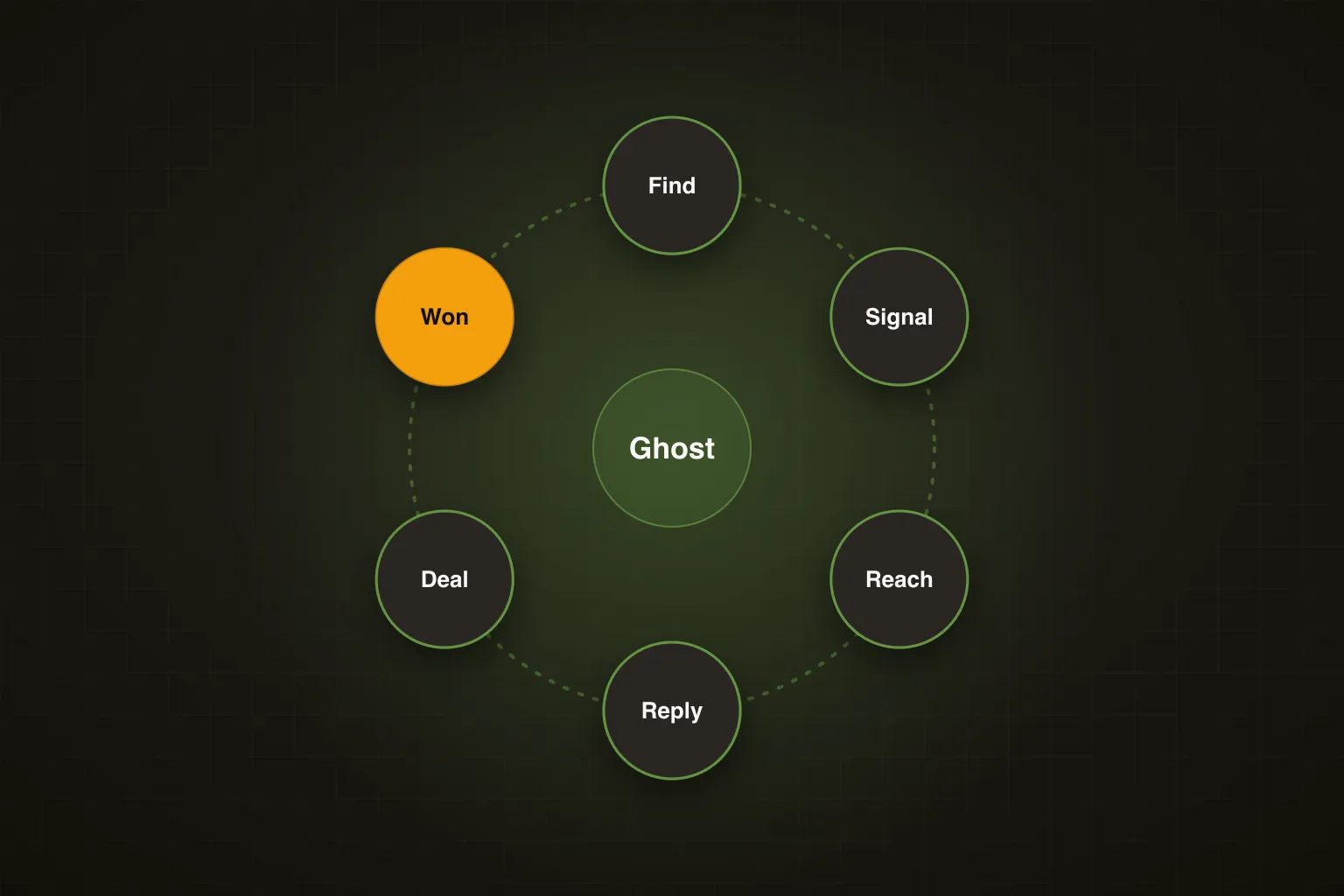
TL;DR: Traditional CRMs are built around websites, forms and email. If your pipeline starts in LinkedIn conversations, that CRM mostly stays empty, because the real activity never reaches it. What LinkedIn-first founders need is a pipeline that fills itself from replies, keeps the conversation on the deal, and reminds them when things go quiet. HubSpot, Pipedrive and GoHighLevel become the right call later, and there are clear signs when.
The empty CRM problem
Almost every founder has a CRM they set up with good intentions. Contacts imported, stages named, maybe a nice dashboard. Three months later it's a graveyard: half the deals are out of date, the real conversations are in LinkedIn DMs, and the "pipeline" is actually in their head.
This isn't a discipline problem. It's a design problem. Traditional CRMs assume activity flows through channels they can see: website forms, tracked emails, calls logged from the dialler. LinkedIn-first selling happens somewhere else entirely. Replies arrive as DMs. Signals are profile views and post likes. The "meeting booked" moment is a message thread, not a form fill.
So the CRM only knows what you manually copy into it. And manual copying is the first thing to go when you're busy, which is exactly when pipeline matters most.
Founder's Take: A CRM you have to feed is a CRM you'll stop feeding. The question isn't which CRM has the most features. It's which one already sees where your deals actually happen.
What a LinkedIn-first team actually needs
Strip it back and a founder or small team selling through LinkedIn needs five things from a CRM:
- Deals that create themselves. A reply to outbound should become a deal without anyone typing it in.
- The whole conversation on the deal. LinkedIn messages, emails, profile views and notes in one timeline, so you never re-read three apps before a call.
- Reminders when a deal goes quiet. Warm leads rarely say no; they drift. Something needs to notice before you do.
- Help writing the follow-up. The hardest message to send is the fifth one, when you've run out of things to say.
- Attribution you can act on. Which campaign, post or signal produced the deals you actually won.
Notice what's missing: marketing automation, lead-nurture workflows, a ticketing desk, a website builder, complex forecasting. Those are real needs for some businesses. They're just not the bottleneck for a founder closing their first fifty clients through LinkedIn.
Why the CRM belongs where the outbound runs
The simplest way to get deals that create themselves is to put the CRM inside the tool that sends the outbound. That tool already sees every reply, every signal and every message. There's no sync to break, no integration to maintain, and no gap where a warm lead can fall through.
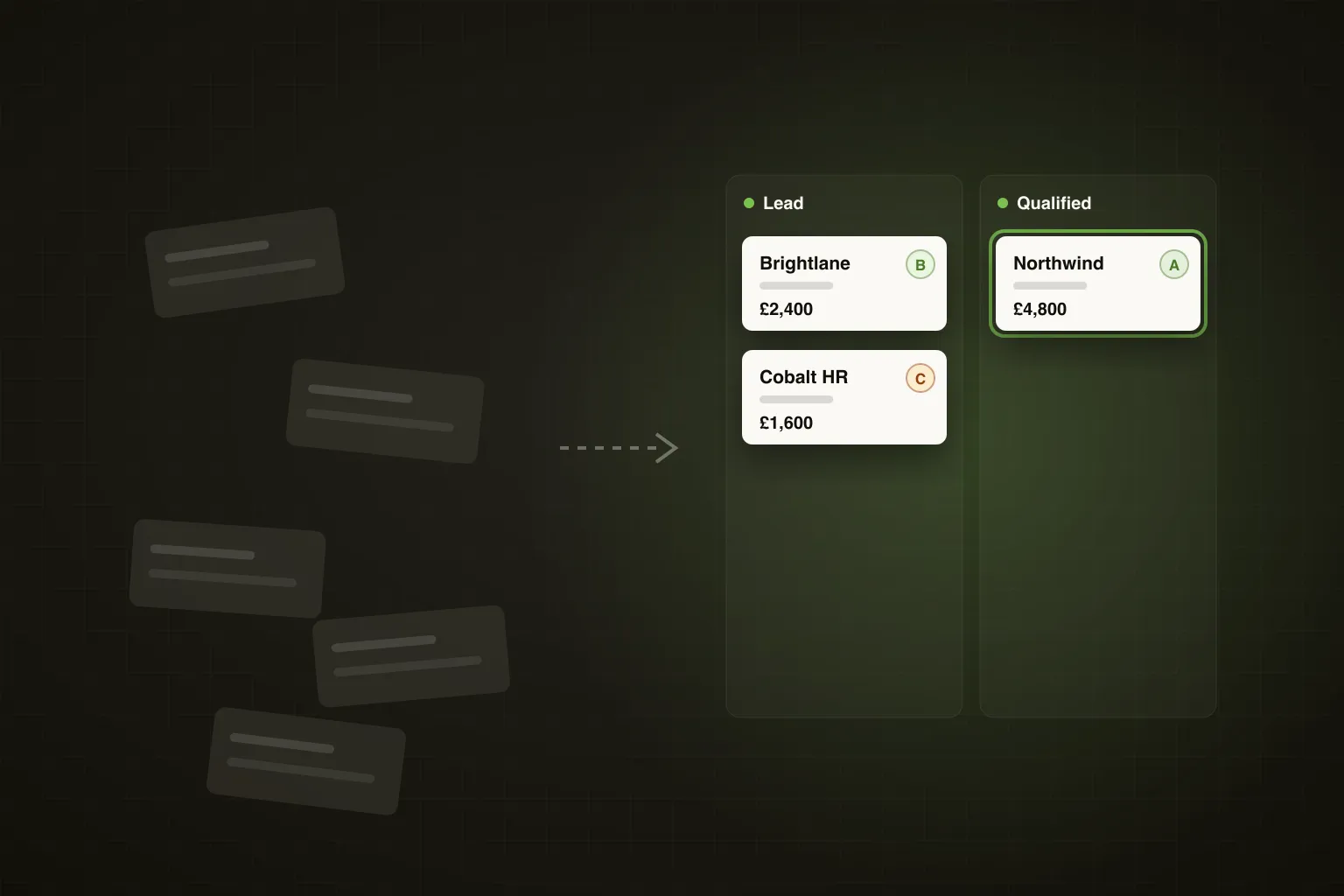
That's the reasoning behind Ghost Pipeline. Campaign replies become Leads, high-intent replies move to Qualified, inbox enquiries show up as suggested leads, and every LinkedIn message and email sits on the deal. Reminders fire after 5 days without contact or 14 days stuck in a stage, and Suggest follow-up drafts three options from the full conversation. The dashboard shows revenue by source, so you can see which campaigns actually close.
When you do need HubSpot, Pipedrive or GoHighLevel
This isn't an argument that nobody needs a dedicated CRM. You probably do once one or more of these is true:
- Inbound is a major channel. Website forms, content downloads and marketing email nurture at scale are what HubSpot is genuinely excellent at.
- Several teams share the customer record. Sales, customer success and support all working the same accounts needs a system of record beyond outbound.
- You need formal forecasting and RevOps reporting. Board-level forecasts, quota tracking and territory management are dedicated-CRM territory.
- You run client operations for others. Agencies running funnels, booking and billing for clients often live in GoHighLevel for a reason.
- You already have one that works. If your team genuinely keeps HubSpot or Pipedrive up to date, don't rip it out.
The honest answer for most early-stage, LinkedIn-first teams is: not yet. Start with a pipeline that fills itself, build the habit of following up, learn which sources close, and move to a heavier CRM when the business actually needs what it offers.
You won't be trapped
The worry with any built-in CRM is lock-in: what happens when you do outgrow it? Native sync with HubSpot, Pipedrive and GoHighLevel is in development for Ghost, so the deals and conversations you build up now aren't stuck. Start simple, graduate when it's right.
Frequently Asked Questions
Is a built-in CRM enough for a small sales team?
For a team whose pipeline originates in LinkedIn and email outbound, usually yes. You need deals, conversation history, tasks, reminders and reporting on what closes. Heavier needs such as marketing automation, service desks and formal forecasting are the point where a dedicated CRM earns its cost.
What does Ghost Pipeline cost?
Nothing extra. Pipeline is included on every Ghost plan.
Can I move to HubSpot later?
Native HubSpot, Pipedrive and GoHighLevel sync is in development, designed for exactly that move.
Pipeline is included on every Ghost plan. Start your 7-day free trial at growwithghost.io, or see how Pipeline works.